Shop By Department


Search
 Sales Hotline 01204 387 767
 455 Manchester Rd Bolton BL3 2RG
 [email protected]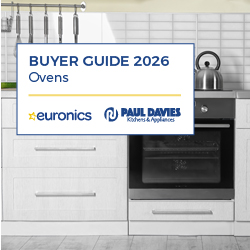
A great single oven sits at the heart of every modern kitchen, helping you and your family enjoy reliable, everyday cooking. With so many brands and styles on the market, choosing the right oven can feel confusing — but we’re here to help you make the right choice.
Built-in single ovens are installed into a housing unit, either at eye level or beneath the worktop. They offer a sleek, integrated appearance and are ideal for modern kitchens.
Most single multifunction ovens include a built-in grill, helping to save space. However, this usually means you cannot use the grill and oven at the same time.
Freestanding cookers are a popular and versatile option, typically available in 50cm, 55cm, and 60cm widths.
They fit easily into both compact and open-plan kitchens. For best results, it’s recommended to leave a small gap (around 5cm) to prevent heat damage to surrounding units.
Range cookers are ideal for larger kitchens and keen home cooks. These appliances usually feature multiple ovens, a grill, and a warming drawer, alongside five to eight burners.
Available in gas, ceramic, and electric options, many models also include specialist burners for woks and griddles. Older models may use solid fuels, although modern versions focus on efficiency and convenience.
Table-top cookers are compact, portable ovens that offer basic cooking functions in a smaller format.
They’re ideal as a backup appliance, for student accommodation, or for kitchens with limited space.
Capacity is an important factor when choosing a single oven. It refers to the usable internal space, measured in litres, and helps determine how much food you can cook at once.
Built-in single ovens often have smaller capacities than double ovens, but shelf configuration also plays a role. A well-designed 50-litre oven with three shelves may outperform a larger model with fewer shelves.
Many modern ovens include self-cleaning systems that reduce maintenance and save time.
Pyrolytic cleaning heats the oven to extremely high temperatures, turning food residue into ash. Once the cycle ends, you simply wipe away the remains.
Although energy-intensive, it can save money on cleaning products and provides excellent results.
Catalytic liners absorb grease and break it down during cooking. They make routine cleaning easier but may need replacing over time.
They can also be damaged if exposed to excess moisture.
Your kitchen layout, available space, and budget will influence which oven configuration is best for you.
Integrated models offer flexible placement and reduce the need to bend. Double ovens suit larger households, while single ovens are often ideal for compact kitchens and tighter budgets.
Most oven doors open downwards, but some models offer side-hinged or retractable designs. These can improve access and safety, especially in smaller kitchens.
Gas hobs offer instant heat control and remain the most popular choice. They’re responsive and powerful but require regular cleaning.
Traditional solid plate hobs are affordable but slower to heat and cool. They’re less efficient than modern alternatives.
Ceramic hobs feature smooth glass surfaces that are easy to clean. While stylish, they may be slower than gas or induction models.
Induction hobs are the most advanced option. They offer fast heating, excellent energy efficiency, and precise control.
They require compatible cookware and tend to be more expensive, but deliver outstanding performance.
Browse our cookers in-store at our Bolton showroom or online at Paul Davies Kitchens & Appliances.
For further advice, product information, or support, contact our expert team today.